Integrating Contemporary Design Materials in Interiors and Exteriors
Great design lives in the details. It’s often the finishing touches that transform a project from standard to signature. Selecting materials that combine visual appeal with functional performance is key to creating spaces that feel cohesive, refined, and enduring. Contemporary design materials play a crucial role in defining character, introducing texture, and ensuring longevity without dominating the overall design.
Millboard as a Design Signature
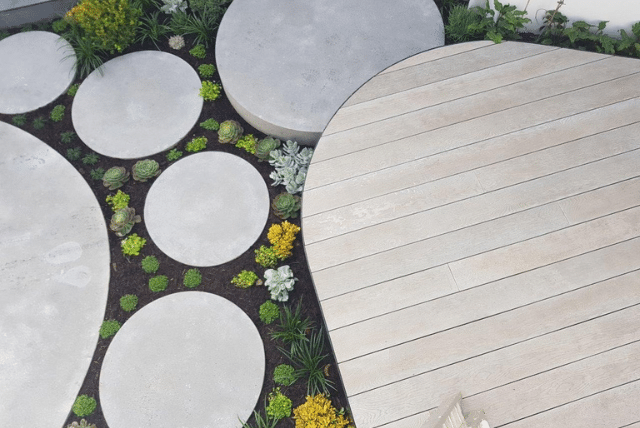
Millboard serves as more than a practical surface; it acts as a unifying material language across interiors and exteriors. Its rich textures and natural finishes bring warmth and tactility to spaces, offering a material narrative that complements contemporary design materials elsewhere in the project. Beyond aesthetics, Millboard balances functionality with enduring performance. Its durability, weather resistance, and low-maintenance qualities ensure that design intentions are preserved over time, making it a reliable choice for high-use areas.
As a finishing detail, Millboard allows designers to create focal points that draw attention without overpowering the overall design. Its subtle textures and nuanced tones integrate seamlessly with other contemporary design materials such as metal, glass, and stone, allowing for cohesive compositions that feel intentional and considered.
Applications That Define a Space
The most effective finishing materials transform functional elements into defining details:
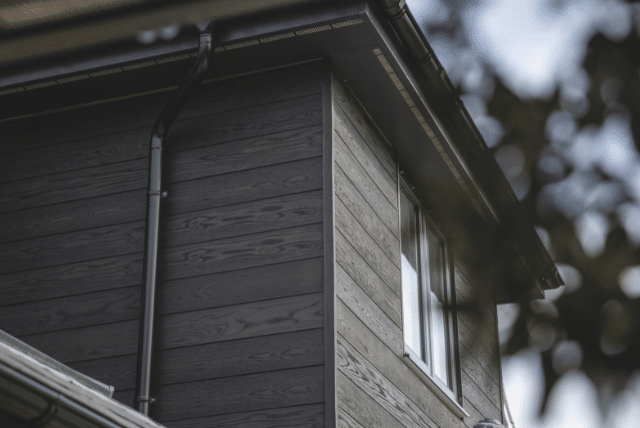
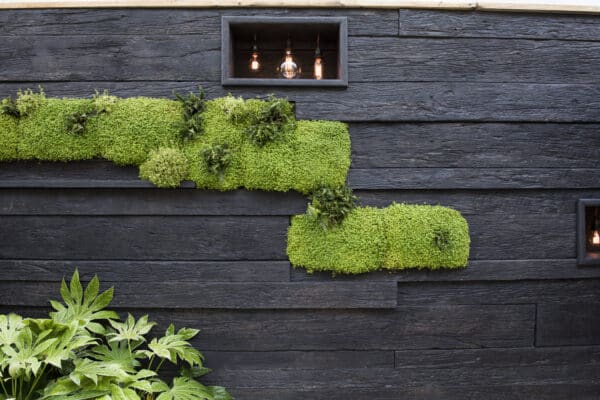
- Accent cladding on façades, walls, or feature panels adds tactile richness and visual depth.
- Built-in planters and seating can serve as both practical and architectural features, seamlessly integrating utility with aesthetics.
- Custom furniture and fittings made from resilient materials can blend into the design narrative rather than stand apart.
- Integration with lighting and water features elevates the atmosphere, turning ordinary spaces into immersive environments.
In each of these applications, contemporary design materials contribute subtle cues that signal quality and intention. They let designers focus on proportion, contrast, and texture, ensuring that every element feels purposeful.
Trends & Timelessness
Biophilic design has reshaped the way finishing materials are approached, emphasising natural textures and connections to the outdoors. Similarly, minimalist and contemporary projects benefit from understated materials that define space through tactility and refinement rather than ornamentation.
Longevity is another critical consideration. Contemporary design materials that retain their appearance and structural integrity over time ensure that design decisions endure, maintaining their impact long after installation. Timeless materials allow designers to invest in details that remain relevant, creating spaces that age gracefully rather than feel dated.
Inspiration in Practice
In hospitality, retail, and residential environments, designers have increasingly turned to Millboard as the defining “final touch” that brings cohesion and identity to a project. In outdoor hospitality settings, it has been used to craft terraces that flow seamlessly from interior to exterior, with integrated seating and planters that feel both bespoke and enduring. Retail spaces have applied it to façade treatments and feature walls, where its natural grain and texture invite a tactile connection, subtly enhancing brand experience without detracting from the merchandise or architectural form. In residential projects, Millboard’s refined surface quality lends warmth to courtyards, pool decks, and alfresco zones, ensuring a consistent design language that aligns with other contemporary design materials such as stone, metal, and glass.
What makes this approach so effective is how Millboard bridges aesthetic ambition with practical performance. Its material integrity ensures that high-traffic or weather-exposed areas retain their character over time, while its natural tones harmonise with the broader palette of contemporary design materials. In each context, Millboard does not simply fill a functional role; it defines the atmosphere, grounding the design and reinforcing the project’s visual identity.
Closing Thoughts
Finishing touches matter. By carefully choosing contemporary design materials, designers can transform surfaces, furniture, and features into cohesive elements that elevate the entire space. Millboard, as a thoughtfully applied signature detail, illustrates the power of material choices in completing a design narrative. Every element, no matter how subtle, contributes to a space’s story, and when chosen wisely, these details leave a lasting impression.
Ready to see how Millboard can enhance your next project? Whether you are designing a private residence, a commercial environment, or a seamless indoor-outdoor connection, this material offers a perfect balance of design integrity and resilience. Contact Concept Materials to discuss your design goals or request a sample to experience the texture, tone, and quality firsthand.