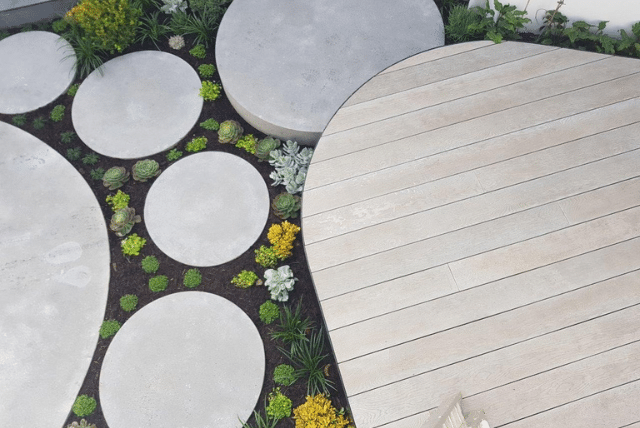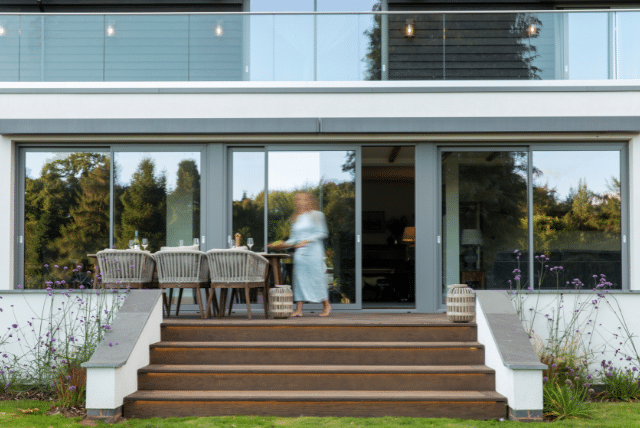
Architects and designers are increasingly drawn to materials that offer both aesthetic range and practical performance. Low maintenance decking has become a standout solution, especially in projects that demand visual continuity, creativity, and long-term durability. Millboard is a strong example of a surface material that delivers all of this, providing unmatched versatility for indoor–outdoor transitions and supporting a broad mix of design languages. Whether a project leans coastal, industrial, minimalist, or richly textured, low maintenance decking offers the adaptability that modern design workflows require.
How Low Maintenance Decking Adapts to Any Architectural Style
One of the greatest strengths of low maintenance decking is its ability to complement vastly different architectural directions. Hand-moulded grain patterns, refined finishes, and a wide palette of tones allow it to integrate seamlessly into multiple styles without restricting creative intent.
Hamptons / Coastal
Coastal and Hamptons-inspired homes rely on soft, natural tones and materials that reflect a relaxed, seaside atmosphere. Low maintenance decking that replicates realistic timber textures brings warmth and authenticity to these spaces without the upkeep traditionally required for coastal timber. Its ability to pair beautifully with white trims, weatherboard façades, and pale stone makes it an ideal finishing touch for breezy, sunlit environments.
Modern Minimalist
Minimalist design relies on simplicity, cohesion, and clean lines. Uniform finishes and crisp edges found in low maintenance decking help create seamless transitions between indoor and outdoor spaces. When used for terraces, platforms, and outdoor rooms, it supports the calm, uncluttered feel essential to minimalism. Its low-sheen finish enhances subtle architectural lines while ensuring the material never overwhelms the overall composition.
Industrial Chic
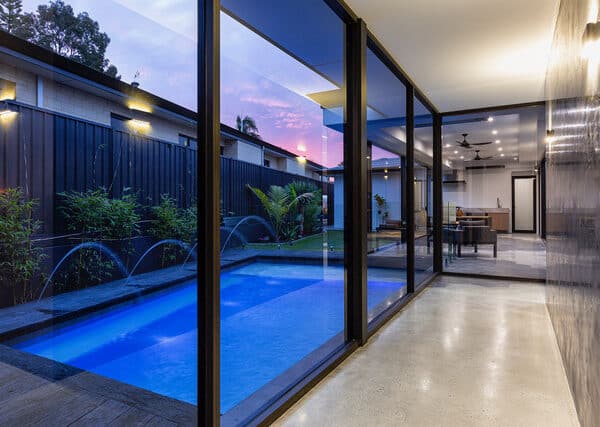
For designers working with an urban aesthetic, darker, more textured boards provide depth and contrast. Low maintenance decking works effortlessly alongside concrete, steel, and glass; materials that define industrial style. It maintains visual warmth while supporting a raw, stripped-back look, making it perfect for rooftop terraces, courtyards, and balcony spaces within contemporary city projects.
Farmhouse Rustic
Farmhouse and rustic architecture lean heavily on character-rich materials. With its deep grain detail and handcrafted appearance, low maintenance decking captures the charm of aged timber without issues like splitting, cupping, or distortion. It pairs naturally with stonework, brick, and earthy palettes, making it a reliable choice for country homes and rural-inspired builds.
Farmhouse Rustic
Layered textures, mixed materials, and bold greenery define Boho and eclectic spaces. The warm tones and expressive grain patterns found in low maintenance decking enhance these relaxed, personality-driven environments. Its durability also supports more experimental layouts, such as built-in seating, stepped platforms, or organic curves.
Design Flexibility and Application Potential
Versatility extends beyond style alone. Low maintenance decking can be installed horizontally or vertically, opening opportunities across decking, stairs, cladding, feature screens, and even custom architectural detailing. Hand-moulded surfaces and subtle sheen levels provide depth that suits both simple and intricate designs.
Concealed fixing systems allow for clean lines, flush edges, floating benches, curved elements, and precision detailing. This makes the material a strong fit for pool surrounds, alfresco zones, façades, and feature installations, particularly where consistency and craftsmanship are key.
Palette Pairing and Material Harmony
The colour range in modern low maintenance decking supports both understated and bold design approaches. Designers can pursue tonal minimalism or contrast-rich statements depending on the project brief. It pairs elegantly with stone, steel, concrete, render, painted cladding, or textured façades, softening hard materials or elevating neutral ones.
Sustainability & Performance Advantages
Beyond its visual adaptability, low maintenance decking made of composite materials offer environmental and functional benefits. Being wood-free reduces ecological impact, while excellent fade resistance, slip ratings, and long-term durability make it suitable for high-traffic or safety-focused builds. These qualities are increasingly important in contemporary outdoor architecture.
Exploring Real-World Applications
Low maintenance decking is transforming how designers create seamless indoor–outdoor living experiences. At the One Tree Hill residence, Millboard decking enabled a flawless transition from interior spaces to exterior terraces, combining the warmth and natural look of timber with durability that resists moisture, sun, and wear. This allows homeowners to enjoy a polished, cohesive space without the ongoing upkeep that traditional timber demands.
In commercial settings, low maintenance decking proves equally valuable. Cafes, offices, and winery terraces have leveraged Millboard decking to create inviting outdoor environments that can withstand heavy foot traffic and variable weather conditions. These surfaces not only enhance aesthetic appeal but also reduce maintenance costs, making them ideal for spaces that need to balance style with functionality. Projects across Melbourne and beyond highlight how composite decking can elevate public and commercial areas while ensuring longevity and resilience.
For designers, exploring case studies and material samples is key to understanding the full potential of low maintenance decking. From minimalist courtyards to bustling business terraces, this versatile surface supports diverse architectural expressions, allowing indoor–outdoor spaces to flow effortlessly. Detailed examples, such as the One Tree Hill residence and commercial transformations in Melbourne, showcase how thoughtful material choices can achieve both visual continuity and practical performance, making low maintenance decking a go-to solution for modern design.
Closing Thoughts
With its unmatched versatility, durability, and aesthetic appeal, low maintenance decking is the ideal choice for designers seeking to create cohesive, stylish, and functional outdoor spaces. Whether your project leans coastal, minimalist, industrial, or eclectic, this material adapts effortlessly while reducing upkeep and long-term maintenance concerns. To explore how low maintenance decking can elevate your next design, contact Concept Materials for expert guidance, design consultation, or to order a free sample and see the quality and finish for yourself.